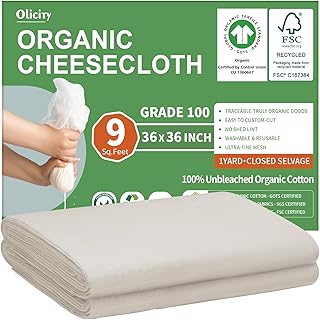
Cheesecloth, a lightweight, gauzy cotton fabric, is a surprisingly versatile tool found in kitchens, workshops, and craft rooms. Far from being limited to its namesake use in cheesemaking, this humble cloth is indispensable for straining, filtering, bundling herbs, and even polishing silver. Understanding the different types and grades available is key to unlocking its full potential. Whether you're a serious home cook, a DIY cheesemaker, or a craft enthusiast, having the right cheesecloth on hand can elevate your projects.
What is Cheesecloth and Why Does Grade Matter?
At its core, cheesecloth is a loose-woven, breathable fabric traditionally made from cotton. Its utility comes from its weave density, which is categorized by grades. The grade number indicates the number of threads per inch in each direction. A lower grade, like 10 or 20, has a very open weave suitable for covering food or bundling bouquet garni. For fine straining tasks—such as making yogurt, clarifying butter, or straining nut milks—you need a much tighter weave. This is where Grade 100 cheesecloth shines. Often called "butter muslin," it is ultra-dense and prevents even the finest particles from passing through, making it the gold standard for serious culinary applications.
Key Features to Look For in Quality Cheesecloth
When shopping for cheesecloth, several features determine its quality, durability, and suitability for your needs. First, consider the material. 100% unbleached cotton is the preferred choice for food safety and purity, as it contains no chemical residues. For an even higher standard, look for organic cheese cloths that are GOTS certified. This ensures the cotton is grown and processed under strict organic and ethical guidelines.
Next, examine the edges. A basic cheesecloth frays easily, which can leave lint in your food. Higher-quality options come with hemmed or closed edges. Products like the Cotton Farm Grade 100 XL Cheese Cloth feature hemmed edges on two or four sides, making them more durable and reusable. Reusability is a major factor; a well-made cheesecloth can be washed and used dozens of times, making it an economical and eco-friendly choice. For convenience, many brands offer precut cheesecloth in popular sizes like 20x20 inches or 15x15 inches, saving you the hassle of cutting from a bulk roll.
Top Uses for Cheesecloth in Your Kitchen and Beyond
The applications for cheesecloth are nearly endless. In the kitchen, it's the perfect tool for straining stocks and broths to achieve crystal-clear results. It's essential for making cheese and yogurt, allowing whey to drain while retaining the precious curds. When cooking turkey, a cheesecloth soaked in butter or broth draped over the breast keeps the meat incredibly moist. For juicing enthusiasts, it acts as a superior juice straining bag to separate pulp from liquid.
Beyond cooking, cheesecloth is a star in the world of DIY crafts. It can be used for ghost decorations, as a base for papier-mâché, for polishing metals, or even as a fine crafts fabric. Its breathable nature also makes it ideal for wrapping and curing meats or cheeses. For a comprehensive look at all these applications, check out our detailed Cheesecloth Guide: Uses, Types & How to Choose the Best Fabric.
Choosing the Right Cheesecloth for Your Project
With so many options, how do you choose? For heavy-duty, frequent use, invest in a high-grade, reusable cloth. The High-Grade 100 Cheesecloth 6-Pack offers excellent value with its soft, durable, and lock-edged design. If you need a lot of cloth for big projects, the GoodCook Everyday 100% Cotton Cheesecloth provides two square yards of versatile fabric. For smaller, convenient tasks, a multipack of precut squares is ideal. Options like the 6-Pack Beige Cheesecloth or the Mostdream 10-piece pack ensure you always have a fresh cloth ready.
For those who prioritize organic materials, the GOTS Certified Organic Cheese Cloths are a premium choice. And if you're curious about how a popular brand performs in real-world use, our MAJESTIC CHEF Natural Cheesecloth Review provides hands-on insights. Ultimately, the best cheesecloth for you depends on your specific needs: the grade for filtering fineness, the material for food safety, and the construction for longevity.
In conclusion, cheesecloth is a simple yet profoundly useful tool that deserves a place in every home. By understanding the differences between grades like the ultra-fine Grade 100 and features like hemmed edges and organic certification, you can make an informed choice. Whether you're clarifying butter, starting a cheesemaking hobby, or tackling a craft project, the right cheesecloth will make the process cleaner, easier, and more successful. Explore the wide range of options available and discover why this classic fabric remains an essential cooking essential and craft supply.